
Dual-purpose chickenDas Zweinutzungshuhn bezeichnet Zuchtlinien, die sowohl für die Eierproduktion als auch für die Fleischgewinnung geeignet sind. Im Gegensatz zu spezialisierten Hochleistungstieren – bei denen entweder auf hohe Legeleistung (Legehennen) oder schnelles Fleischwachstum (Masthähnchen) gezüchtet werden – bietet das Zweinutzungshuhn eine Möglichkeit beide Eigenschaften in einem Tier zu vereinen. Da jedoch keine Spezialisierung vorliegt, sind die Leistungen bei Ei und Fleisch ausgeglichen und in der Regel etwas geringer, als die Leistungen von spezialisierten Tieren. -adapted rations, alternative protein sources, effects and adaptation options
Johann Heinrich von Thünen-Institut
Federal Research Institute for Rural Areas, Forestry, and Fisheries – Institute for Organic Agriculture
Research assistant
Currently no content
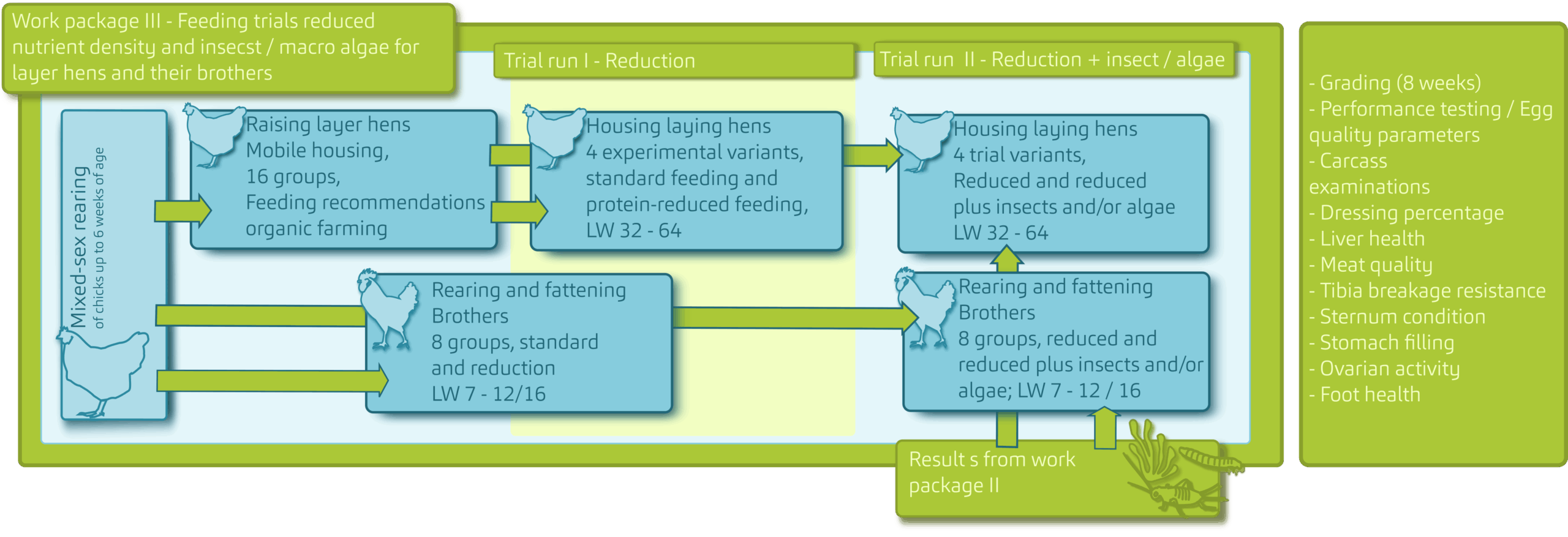
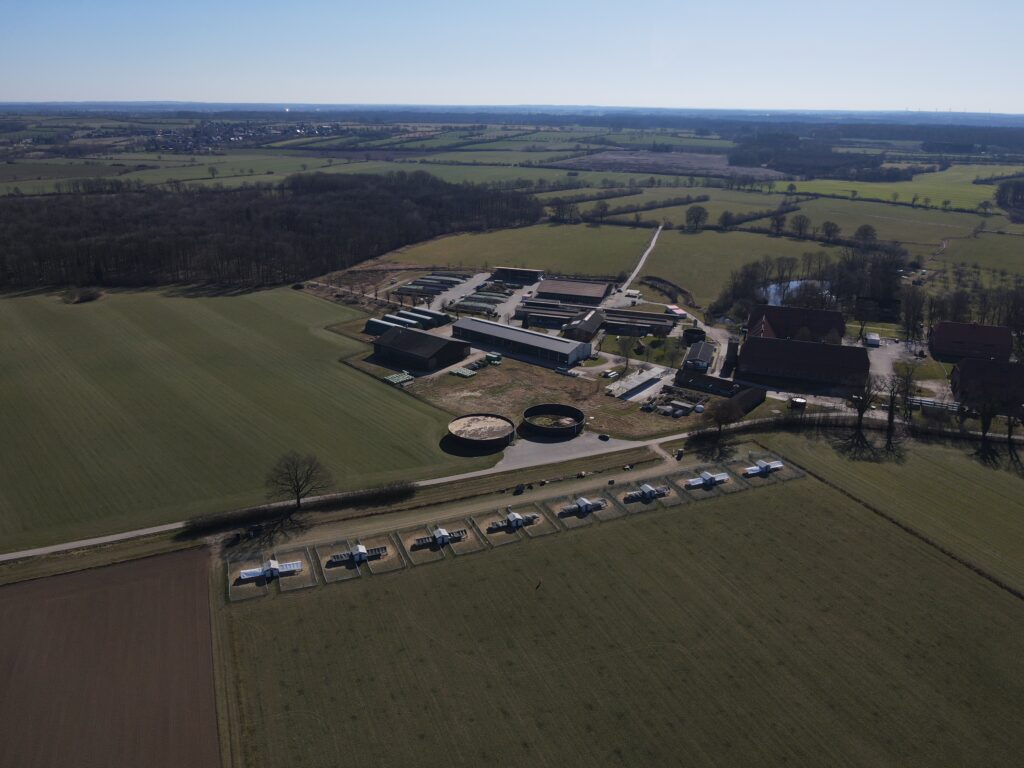
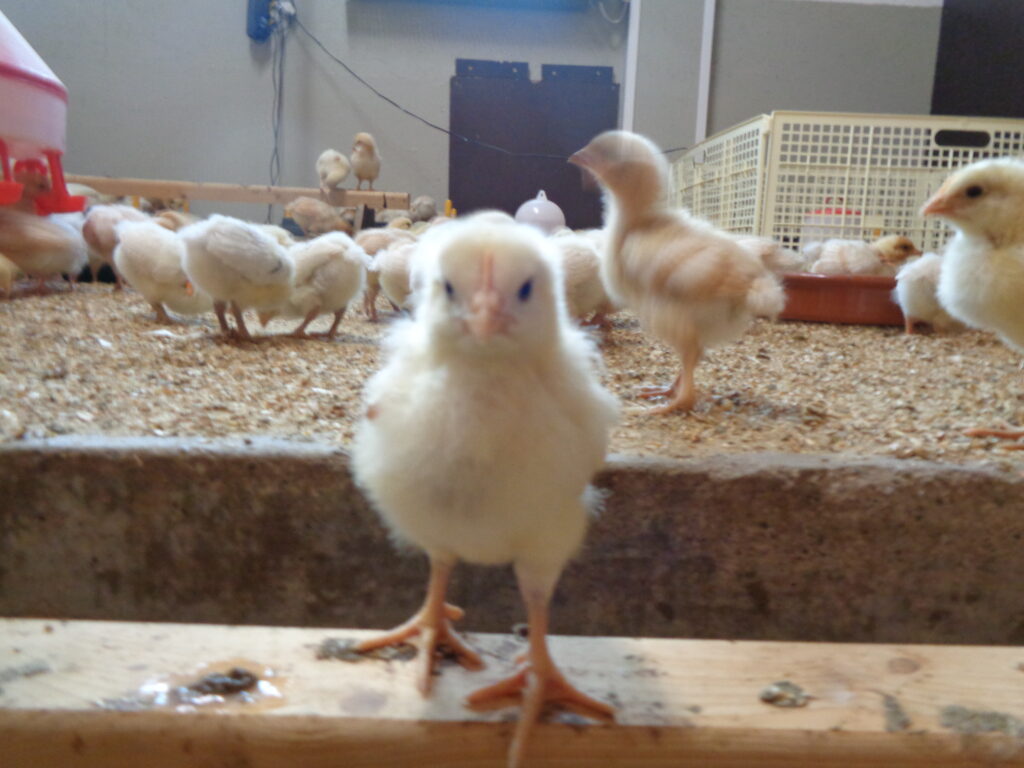
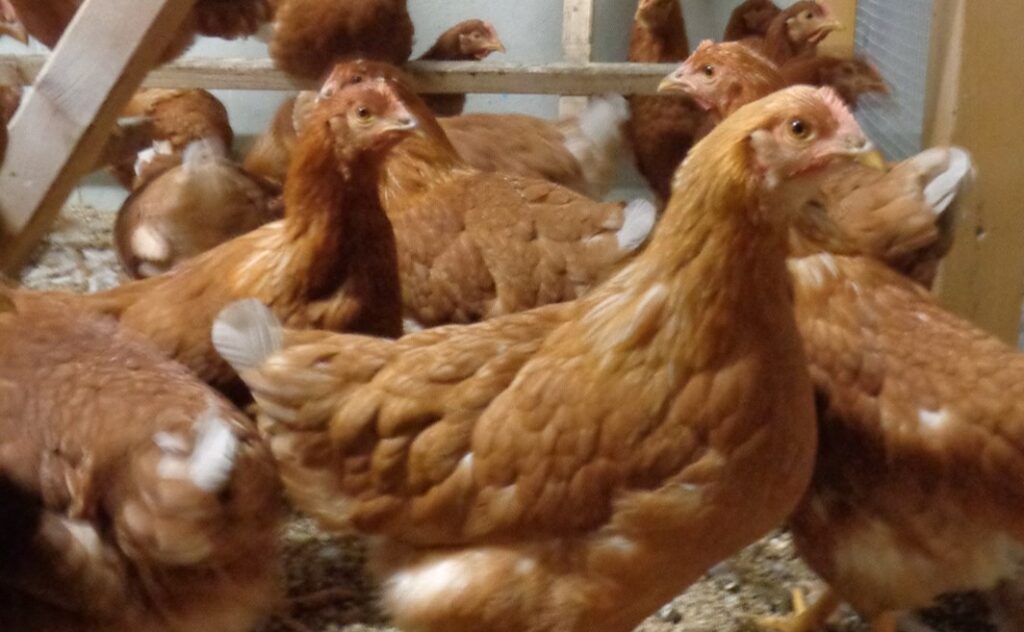
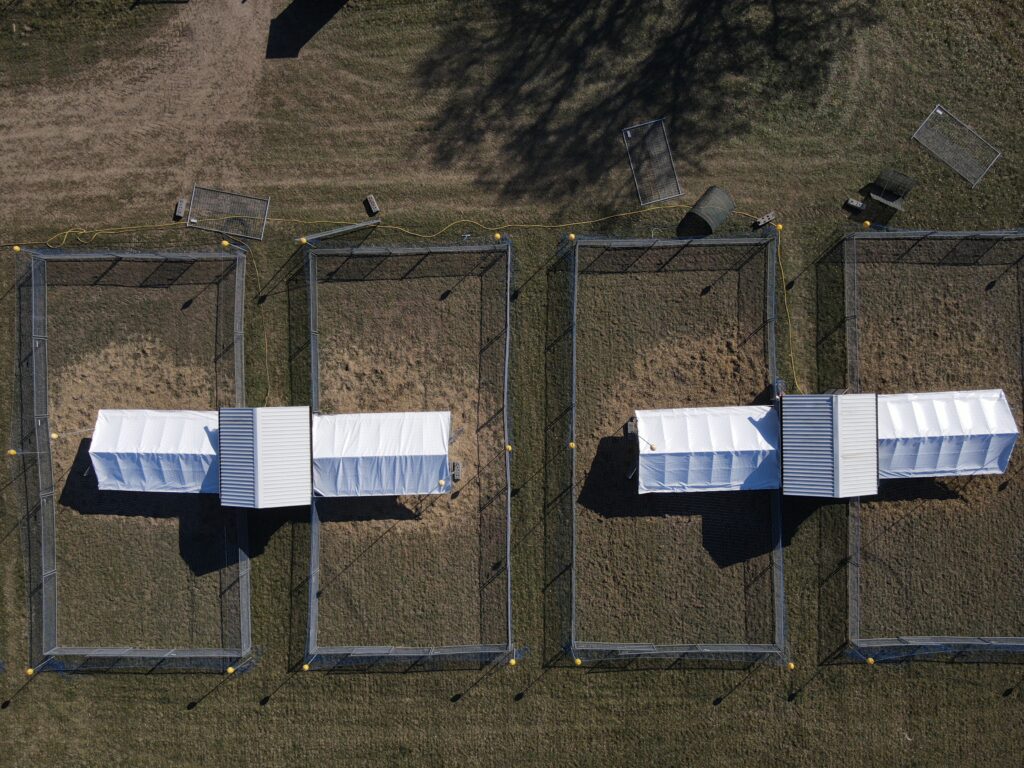
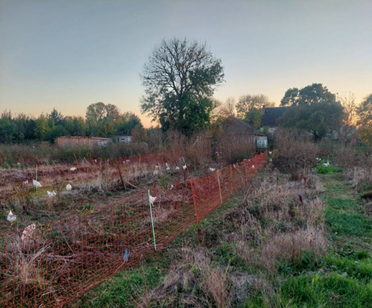
The feeding trials with laying hens are being conducted at the Thünen Institute of Organic Farming's organic-certified experimental farm in Trenthorst-Wulmenau. The pullets for the feeding trials are raised on site in a permanent barn, where four 14 m² barn compartments with adjoining winter gardens and green outdoor areas are available. After a mixed-sex rearing phase of 6 weeks, the animals are separated by sex. The male chicks are transferred to the project partner, the University of Applied Sciences for Sustainable Development, for further fattening, while the pullets remain at the Thünen Institute. The pullets are fed in the “nutrient reduction” feeding trial in accordance with the currently valid feeding recommendations. In both feeding trials, emphasis is placed on early habituation to the intake of roughage and thus the training of high feed intake in pullet rearing. The feeding trials with laying hens are carried out in the Mobile Chicken Research Center (MHFZ), which consists of eight mobile housing units with surrounding green outdoor areas and offers space for 16 groups of 20 laying hens each. In each of the two feeding trials, two genotypes (ISA Warren laying hybrid and ÖTZ Coffee dual-purpose hen) and two feeding variants are compared, making a total of four trial variants. Each trial variant consists of four groups of 20 laying hens. All rations used are produced in the institute's own feed mill and presented as 3 mm pellets to avoid selection of individual feed components. The first feeding trial with laying hens compares a reduced energy and methionine diet (the “reduced” ration) with a standard diet (the “standard” ration) for laying hens after peak laying (from around 32 weeks of age). Until this point, feeding is carried out in the usual manner, as the laying hens are still growing and may not yet be able to compensate for their increased nutrient requirements for laying performance with reduced feeding by increasing their feed intake accordingly. Both during the period before the start of feeding the experimental rations and during the experiment, the live weight and feed consumption of the laying hens are closely monitored to ensure that the animals consume the intended amount of feed and are not at risk of malnutrition.
In a second experimental setup, the effects of feeding alternative protein sources during the rearing of laying hens are being tested using a ration from AP 2. For this purpose, six groups of 20 hens are being reared under organic conditions and a laying period is being tested. Three groups receive standard rearing rations (from cooperation partner Thünen Institute), while three groups are reared on alternative rearing feed containing algae or crickets. This is to rule out any negative effects of feeding on the development of the laying hens. During rearing, the test program from the TiHo selection trial is carried out analogously. During the laying period, the laying performance of each group is recorded daily, egg size distribution and feed consumption weekly, animal health is assessed every 8 weeks using MTool animal assessments, and, as far as possible, the laying performance of individual animals is recorded 6 times during the laying period on 5 consecutive days using drop nests.
Professorship in Animal Husbandry in Organic Farming
Eberswalde University for Sustainable Development
Currently no content
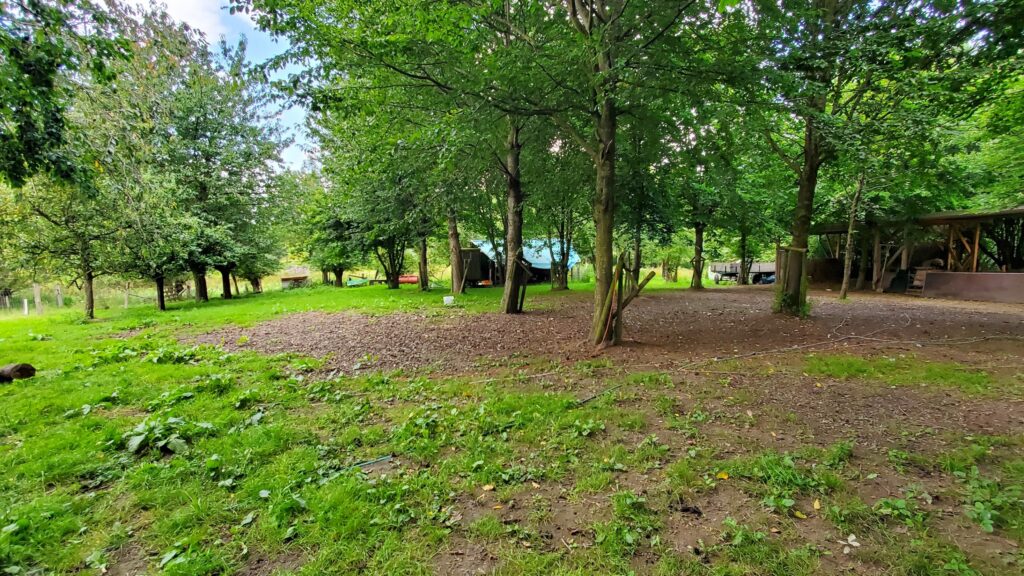
Parallel zu den Fütterungsversuchen mit Legenhennen am Thünen-Institut, werden nach ähnlichem Versuchsaufbau die Reduktionspotentiale bei der Fütterung der Bruderhähne am Versuchstandort „Zäckericker Loose“ der Hochschule für nachhaltige Entwicklung Eberswalde untersucht. Die Tiere werden unter Beachtung gleicher Körpermasseverteilung auf vier Versuchsgruppen mit je zwei Wiederholungen á 40 Tiere verteilt. Die Versuchsgruppen berücksichtigten den Faktor Herkunft (ISA Warren / ÖTZ Coffee) und Fütterung (Kontrolle / Proteinreduziert). Für die Haltung werden zwei baugleiche Festställe mit jeweils vier Abteilen und Ausläufen genutzt. In jedem Stall wird je eine Wiederholung der Versuchsgruppen gehalten. Zur Prüfung der Wirkung einer praxisnahen, proteinreduzierten Fütterung im Vergleich zu herkömmlichem Mastfutter unter ökologischen Bedingungen erhalten die Gruppen der proteinreduzierten Fütterung ein Junghennenfutter. Den Kontrollgruppen wird eine Mischung aus Geflügelmast und Weizen im Verhältnis 50:50 angeboten. In der 8., 12. und 16. Lebenswoche, sowie vor der Schlachtung erfolgt eine umfassende Bewertung der Tiergesundheit und Gefiederqualität (M-Tool für Küken und Junghennen plus Elemente des Welfare Qualtiy Protocols). Ergänzend dazu werden wöchentliche Wiegungen der Tiere durchgeführt.
Following slaughter, the slaughter weight, slaughter weight distribution, and degree of carcass yield are determined. The examinations are supplemented by surveys on meat quality (cooking juice losses, thawing losses, shear force measurements, etc.) and systematic examinations of the carcasses with regard to various animal welfare indicators (breast blisters, liver changes, footpad abscesses, etc.). This is followed by further examinations of feather quality and bone strength, as well as extensive analysis of feces samples over the trial period.
Between the 9th and 16th week of life, systematic animal observations and scan sampling will be used to determine the animals' movement behavior and use of outdoor space.
In a second experimental setup, the effects of feeding alternative protein sources during the rearing of brother roosters will be examined, taking into account the results from AP 2.
A standard nutrient-reduced variant (from the first round) and a nutrient-reduced variant in which protein components are replaced by insects/algae will be offered.
The second round differs only in terms of the feeding regimes used. The accompanying studies on animal welfare parameters, weight development, slaughter weights and distribution, meat quality, etc. will be carried out in the same way as in the first round.
OETZ10
Die Aktion gilt nur für Lieferungen bis zum 20.09.2025
You are currently viewing a placeholder content from Vimeo. To access the actual content, click the button below. Please note that doing so will share data with third-party providers.
More InformationYou are currently viewing a placeholder content from YouTube. To access the actual content, click the button below. Please note that doing so will share data with third-party providers.
More InformationYou need to load content from reCAPTCHA to submit the form. Please note that doing so will share data with third-party providers.
More InformationYou are currently viewing a placeholder content from Google Maps. To access the actual content, click the button below. Please note that doing so will share data with third-party providers.
More Information